Revealing the Truth About Dialysis Machines in Ghana's Health Sector
Dialysis is vital for patients suffering from acute and chronic kidney diseases. In Ghana, the availability and access to dialysis machines have a direct impact on managing these health issues. This blog post highlights the current state of dialysis machines in Ghana's health sector, examining their availability, the challenges patients face, and recommendations for healthcare policy improvements.
Overview of Dialysis Machines in Ghana
Chronic kidney disease (CKD) rates have surged in Ghana, resulting in greater demand for dialysis as a treatment option. Dialysis machines play a critical role, filtering waste and excess fluids from the blood when the kidneys can no longer do so. However, discrepancies exist in the availability of dialysis machines across different regions, creating unequal access to treatment.
While the introduction of dialysis machines in various facilities has been a step forward, patients still encounter significant hurdles. For example, Greater Accra has approximately 12 dialysis centers, while the Northern Region has only three. This uneven distribution reflects the urgent need for improvements in patient access to care.

Hemodialysis (HD) Availability
Hemodialysis (HD) is the primary type of dialysis used in Ghana. Unfortunately, access to HD machines is not uniform. For instance, Greater Accra and Ashanti regions host approximately 70% of the country's HD centers, while the Northern Region struggles with only a handful of facilities.
Patients often face long wait times due to the high demand and limited equipment. For example, patients may wait more than two weeks for a dialysis appointment, exacerbating their health conditions and delaying necessary treatments.
Nephrologist Shortage
One major challenge in Ghana's renal healthcare system is the shortage of nephrologists. Currently, there are fewer than 30 practicing nephrologists serving a population of over 31 million. As patients in need of dialysis therapy rise, these specialists find themselves overwhelmed, resulting in delayed or inadequate care.
To address this crisis, collaboration among educational institutions and international health organizations is necessary to train more nephrologists. Shortening the gap in specialist availability can significantly improve patient outcomes.
Dialysis Prevalence Rate
Recent statistics show that approximately 2,000 patients in Ghana require dialysis annually, yet the country's services can only accommodate about 800 of them. This unsustainable situation highlights the urgent need to improve healthcare infrastructure.
Moreover, affordability poses a challenge. Reports indicate that only about 20% of Ghanaian patients can afford regular dialysis sessions, pointing to a critical gap in available resources and financial support for patients.

Cost of Dialysis Sessions
The financial burden of dialysis treatment is substantial. Each session can cost approximately 150 Ghanaian Cedis, translating to about 1,800 Ghanaian Cedis monthly for patients requiring thrice-weekly treatment. For many individuals, these costs become insurmountable, especially without adequate insurance.
While the National Health Insurance Scheme (NHIS) helps, it does not fully cover dialysis expenses, leaving many patients facing significant out-of-pocket costs. As a result, some individuals may forgo treatment altogether, leading to worsened health.
National Health Insurance Scheme (NHIS) Coverage
The NHIS is designed to make healthcare more affordable in Ghana, yet its coverage is lacking for CKD patients on dialysis. Routine dialysis sessions are often not included, requiring patients to foot the entire bill.
Advocating for policy changes to expand the NHIS coverage could provide critical support to kidney patients, ensuring they receive the treatment they need without facing financial ruin.
Regional Distribution of HD Centres
Access to hemodialysis is heavily influenced by its regional distribution. Urban areas, such as Accra, boast numerous facilities, while rural regions grapple with inadequate access. Patients often travel over 100 kilometers to receive treatment, leading to stress and potentially worsening their conditions.
Addressing this geographical imbalance must be a priority for the Ghanaian government and healthcare stakeholders. Strategically establishing new centers in underserved areas can improve access and outcomes for many patients.
Patient Access to Dialysis
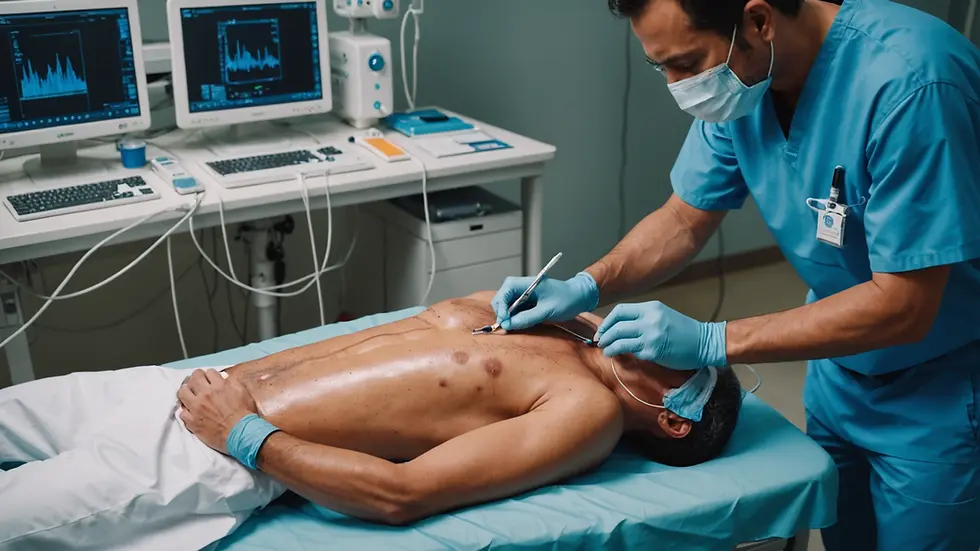
The ability to access dialysis has a profound effect on patients' health outcomes. Many face logistical issues with transportation, exacerbating their difficulties in reaching treatment centers. For instance, patients may spend hours commuting, adding to their stress.
Additionally, because each session lasts around four hours, patients must often miss work or school, causing further disruption to their daily lives. Improving access to dialysis requires an integrated approach that addresses both facility locations and transportation challenges.
Acute Kidney Injury (AKI) Management
Acute Kidney Injury (AKI) management is crucial in Ghana but often takes a backseat to chronic conditions. Prompt and effective treatment of AKI can prevent progression to more severe kidney issues, reducing the need for long-term dialysis.
Investing in early detection and management strategies is vital. This could include training healthcare workers in outpatient settings to recognize and treat AKI effectively, thereby easing the burden on specialized facilities later.
Chronic Kidney Disease (CKD) Treatment
Managing CKD effectively requires a comprehensive treatment approach. Lifestyle changes, medications, and early medical intervention are all necessary for slowing disease progression.
Unfortunately, many Ghanaians lack awareness of CKD risk factors and the importance of regular check-ups. Increasing public education on kidney health can empower individuals to seek care earlier, potentially reducing the need for dialysis in the long run.
Dialysis Centre Capacity
The capacity of dialysis centers is a significant concern. Most centers operate beyond their limits, leading to longer wait times and delayed treatments. Estimates suggest that Ghana needs at least 300 more dialysis machines to meet patient demand effectively.
Expanding capacity is essential and requires investment in both infrastructure and training healthcare staff. Enhancing the availability of machines and trained personnel can significantly improve service delivery and health outcomes.
Private vs Public Dialysis Facilities
In Ghana, both public and private dialysis facilities present unique advantages and challenges. Public facilities generally offer more affordable treatments funded by the government, making them accessible to a broader demographic. However, they often face resource constraints.
On the other hand, private facilities may provide quicker access but typically at a higher cost. Patients must carefully weigh these options based on their financial situations and urgency of treatment. Policymakers should aim to create a balanced ecosystem that ensures all patients can access quality care.
Kidney Replacement Therapy
Kidney replacement therapy, which includes dialysis and transplants, is vital for treating end-stage kidney disease in Ghana. Although dialysis is widely used, transplant options could offer a more sustainable solution if the infrastructure is improved.
Yet, organ donation rates remain low, often due to cultural beliefs or lack of awareness. Campaigns promoting organ donation can help create a favorable cultural shift and increase the number of available transplants, ultimately reducing reliance on dialysis.
Financial Burden on Patients
Navigating kidney disease and the need for dialysis services can impose significant financial stress on patients and their families. The cumulative costs of treatment, medications, and lifestyle changes can lead some families to severe financial hardship.
To alleviate this burden, policies aimed at providing financial assistance for dialysis treatment are necessary. Options may include expanded insurance coverage or subsidized treatment programs, making it easier for families to afford essential medical care.
Moving Forward
In summary, the situation surrounding dialysis machines in Ghana's health sector is complex, filled with both challenges and opportunities. Improving the availability of treatment, addressing the nephrologist shortage, and focusing on cost management are essential steps for overcoming existing barriers.
Collaboration among healthcare stakeholders, policymakers, and community leaders will be crucial in developing a more effective renal care infrastructure. By investing in these areas, Ghana can create a healthcare system that prioritizes the needs of kidney disease patients, ultimately saving lives and enhancing their quality of life.
Consider how individual and collective efforts can shift the landscape of kidney care in Ghana and ensure every citizen has the support they need for dialysis treatments.


