Analyzing the Recent Student Protests Against Ghana’s New Funding Model
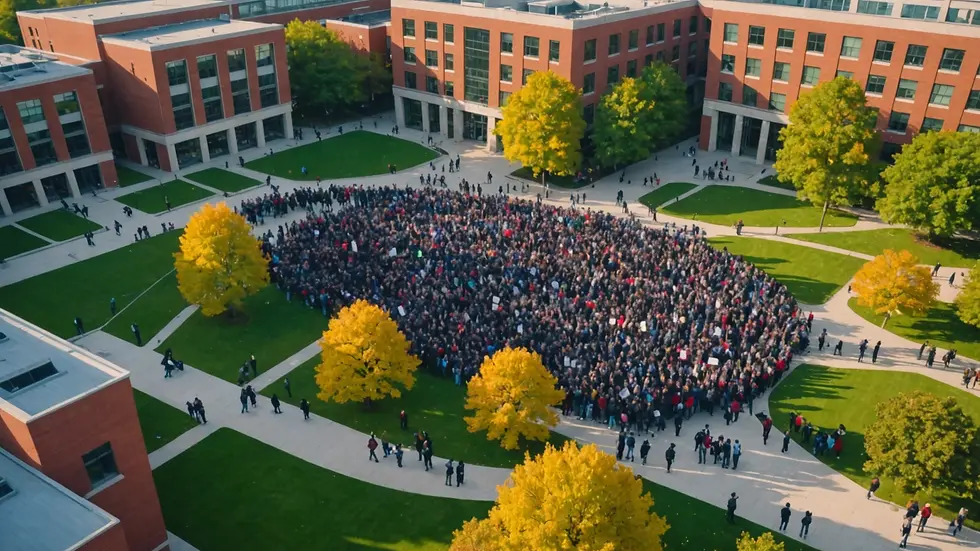
The wave of student protests across Ghana has erupted in response to a new funding model for higher education that has raised serious concerns. Students are not just voicing their dissatisfaction; they are shedding light on wider implications that this model could have on their education and future. In this post, we will examine the specifics of the protests, explore the funding model in detail, and consider the broader context that has led to these changes.
Background of the New Funding Model
The Ghanaian government has faced significant challenges in funding higher education in recent years. With the rising costs of educational quality and demographic pressures, a fresh approach to funding has become essential.
The new funding model aims to improve financial sustainability across public universities. However, it has ignited heated discussions about its fairness and the possible inequalities it may create among students. For instance, research shows that about 40% of students perceive the new funding model as potentially detrimental to their education, with many fearing that it will widen existing gaps in access to resources.
Additionally, the introduction of the Means Testing Instrument (MTI) seeks to categorize students based on their socioeconomic status to allocate resources more efficiently. While the intention is to identify student needs accurately, concerns persist over how effectively the MTI captures these nuances.
The Role of the Means Testing Instrument (MTI)
The MTI was created to customize financial support to reflect individual student circumstances. By evaluating factors such as family income and social background, the MTI is expected to enhance targeted assistance. However, many students argue that the assessment process is neither transparent nor fair.
For example, students from marginalized communities often report significant gaps in understanding how their financial needs are assessed. A survey indicated that nearly 60% of the respondents felt the evaluation process is convoluted, leading to fears that deserving students might miss out on crucial scholarships or support.
Students have voiced their calls for a more inclusive dialogue with policymakers, emphasizing the need for clarity and responsiveness in the funding process. They believe that a collaborative approach is vital in addressing their legitimate concerns.
Incorrect Assumptions and Realities
A notable flaw in the new funding model is the belief that all students will have equal access to financial resources based solely on the MTI assessments. This assumption overlooks the harsh realities faced by many students, particularly those from low-income families.
For instance, the financial challenges experienced by students are often compounded by hidden costs such as transportation, accommodation, and study materials. A study revealed that around 70% of university students encounter unexpected financial burdens throughout their education, which the MTI fails to consider.
This reality has fueled protests, led by groups such as the University Students Association, demanding a review of these funding criteria. They advocate for a system that represents the diverse experiences of students rather than imposing a one-size-fits-all approach.

The Impact on Student Communities
The repercussions of the new funding model highlight broader issues beyond individual financial aid; they influence the overall university community. The government’s categorization of students into funding bands has led to a divided environment among students.
Those in lower funding bands may feel marginalized, while those in higher bands could perceive an unjust advantage. Such divisions can foster resentment, undermining the collaborative spirit essential to educational success.
Concerns have also emerged regarding how the new model may lead to increased student loan debt. Research indicates that students utilizing the Higher Education Loans Board (HELB) are already accumulating substantial debts, and uncertainties surrounding the new funding model have only intensified these anxieties. Protests thus become crucial platforms for students to express their worries about their financial futures.
The Government's Response
In the face of protests and calls for reform, the Ministry of Education asserts that the new model is essential for maintaining funding sustainability in public universities. Officials argue that the MTI is designed to align financial assistance more closely with actual student needs.
However, students feel overlooked in the decision-making process, resulting in distrust towards those in power. To address this disconnect, the Ministry could benefit from conducting comprehensive financial needs assessments that take into account a wider range of student experiences. Regular dialogues with student leaders would also help cultivate cooperation rather than conflict.

Navigating Socioeconomic Disparities
Ghana's education system has long been affected by socioeconomic disparities, and the proposed funding model does little to bridge these gaps. For students from low-income backgrounds, the financial barriers to higher education may seem insurmountable.
Differences in funding between public and private institutions often exacerbate inequalities in educational quality. Many students are not only protesting the new funding model but also the broader implications it has for the future of education in Ghana.
To tackle these systemic issues, policymakers must acknowledge how crucial equitable funding is for all students. It's vital to ensure fair access to educational resources irrespective of economic background.
Future Considerations
As protests continue, it is essential for all stakeholders to actively listen and respond to the ongoing discussions about the new funding model. The primary objective of any educational funding policy should foster inclusivity, equity, and transparency.
The engagement of international students and educational stakeholders underscores the need to resolve funding disparities. Ghana’s attractiveness as a destination for global students hinges on fair funding mechanisms.
Policymakers should aim for stronger partnerships with educational institutions and communities. By understanding their concerns and incorporating their feedback, they can develop a funding model that benefits every student.
Students’ Voices Matter
The student protests against Ghana's new funding model highlight the complexities surrounding education financing. As they advocate for a fairer and more transparent system, these voices are crucial in determining the future trajectory of higher education in Ghana.
Recognizing students' needs and perspectives during funding discussions is important. It not only builds trust but also ensures that all students can pursue their educational aspirations without overwhelming financial burdens.
The journey ahead will be challenging, but collaboration and understanding are the keys to creating an education system that serves every student effectively.


